Which Hormones are Responsible for Menstruation?
Jul 01, 2024
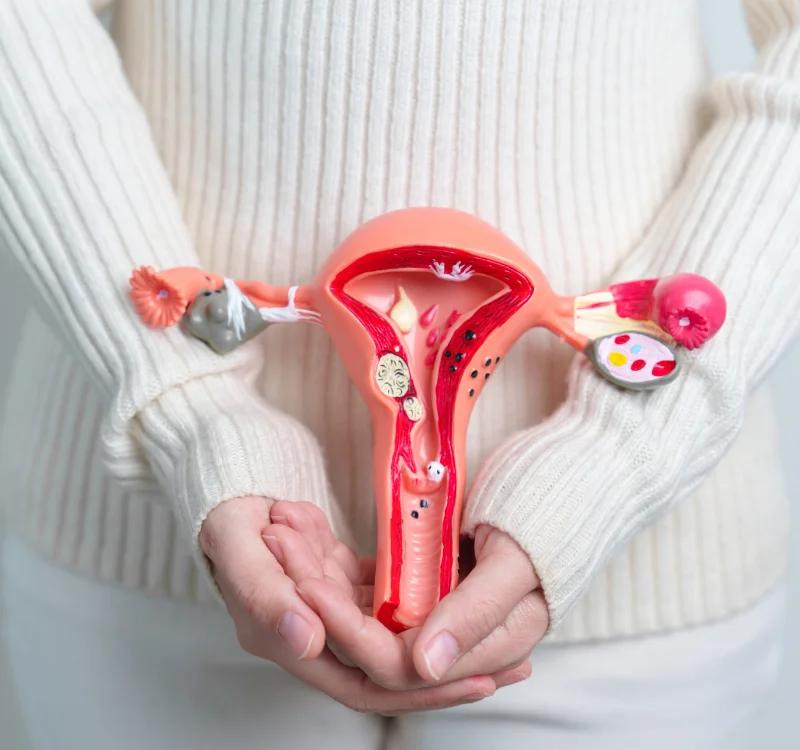
Menstruation is a natural process that happens to women each month. It is a part of the menstrual cycle, which prepares the body for pregnancy. The hormone responsible for menstruation is progesterone. During the cycle, the levels of progesterone rise and fall. When the egg released by the ovary is not fertilised, progesterone levels drop. This drop in progesterone results in the shedding of the uterine lining, causing menstrual bleeding. This process usually lasts between three to seven days.
Table of Contents:
- What is Menstrual Cycle?
- Which Hormone Causes Menstruation?
- 3 Main Phases of Menstruation
- Hormonal Imbalance and How It Affects Menstrual Cycle?
- Conclusion
- FAQs
What is Menstrual Cycle?
The menstrual cycle is a monthly process that involves a series of hormonal changes. It regulate the growth and release of an egg from the ovaries, the preparation of the uterus for possible implantation of a fertilised egg, and the shedding of the uterine lining if pregnancy does not occur.
The cycle begins on the first day of menstruation and ends just before the next menstrual period. It is divided into several phases, each characterised by specific hormonal changes and physiological processes. It iscrucial for reproductive health and can be influenced by various factors, including stress, diet, and overall health.
Which Hormone Causes Menstruation?
1. Progesterone
The hormone responsible for menstruation is progesterone. After ovulation, the corpus luteum (the remnant of the follicle that released the egg) produces progesterone. This hormone stabilises the uterine lining and makes it suitable for a fertilised egg to implant. If fertilisation does not occur, the corpus luteum breaks down, leading to a drop in progesterone levels.
2. Estrogen
Estrogen is a key hormone that helps regulate the menstrual cycle. It is primarily responsible for the growth and maintenance of the uterine lining during the first half of the cycle. As the follicles in the ovaries mature, they release estrogen, which helps thicken the endometrium in preparation for a potential pregnancy.
3. Follicle-Stimulating Hormone (FSH)
FSH is released by the pituitary gland at the beginning of the cycle. Its primary role is to stimulate the growth of ovarian follicles, each containing an egg. The growth of these follicles leads to the production of estrogen.
4. Luteinizing Hormone (LH)
LH is also produced by the pituitary gland and plays a pivotal role in ovulation. Around the middle of the cycle, a surge in LH levels results in the release of a mature egg from the ovary, a process known as ovulation.
3 Main Phases of Menstruation
While the withdrawal of progesterone is the immediate cause of menstruation, here are the key phases of period:
1. Follicular Phase
The follicular phase starts on the first day of your period and continues until ovulation. It overlaps with the menstrual phase but goes on after the bleeding stops. During this time, the pituitary gland releases a hormone called follicle-stimulating hormone (FSH). FSH helps several ovarian follicles grow, each with an egg inside. As these follicles grow, they produce estrogen, which thickens the uterine lining to get ready for a possible pregnancy.
2. Ovulation
Ovulation occurs around the middle of the cycle. The rise in estrogen levels during the follicular phase starts a surge in luteinizing hormone (LH) from the pituitary gland. This surge causes the mature follicle to release an egg from the ovary into the fallopian tube. This is the most fertile phase of the menstrual cycle.
3. Luteal Phase
After ovulation, the ruptured follicle transforms into a structure called the corpus luteum, which produces progesterone. Progesterone helps maintain the thickened uterine lining and prepares it for a possible implantation of a fertilised egg. If fertilisation does not occur, the corpus luteum breaks down, leading to a drop in progesterone and estrogen levels. This drop starts shedding of the uterine lining, marking the beginning of the menstrual phase and a new cycle.
Hormonal Imbalance and How It Affects Menstrual Cycle?
Hormone imbalance in the menstrual cycle can lead to various issues and discomforts for women. The menstrual cycle is regulated by a delicate balance of hormones, primarily estrogen and progesterone, along with others like follicle-stimulating hormone (FSH) and luteinizing hormone (LH). When these hormones are not in the correct balance, it can disrupt the normal menstrual cycle. For example, if estrogen levels are too high or too low, it can affect the thickening of the uterine lining, leading to irregular periods or heavy bleeding.
Similarly, if progesterone levels are not sufficient, the uterine lining may not shed properly, causing missed or delayed periods. Factors such as stress, poor diet, excessive exercise, or underlying health conditions like polycystic ovary syndrome (PCOS) and thyroid disorders can contribute to these imbalances.
Symptoms of hormone imbalance include irregular menstrual cycles, severe cramps, mood swings, weight gain, and acne. Managing stress, maintaining a healthy diet, and consulting with a healthcare provider can help address these imbalances and restore normal menstrual function.
Conclusion
The menstrual cycle is a crucial part of a woman's reproductive system, involving hormonal changes that prepare the body for potential pregnancy. Progesterone plays a key role in this process, and its decline triggers menstruation. By understanding the different phases and the hormones involved, women can better manage their menstrual health and address any irregularities. Recognizing the impact of factors like stress, diet, and overall health on the cycle can help maintain reproductive well-being.