Balancing Body Dosha: Vata, Pitta and Kapha
Jun 12, 2024
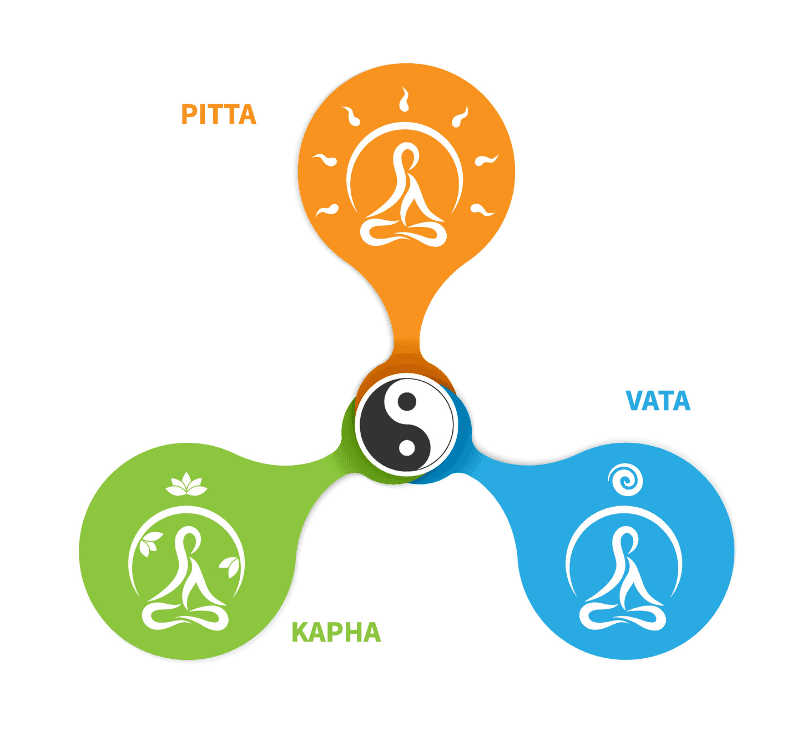
Body doshas are fundamental elements in Ayurveda that represent different combinations of the five universal elements: ether, air, fire, water, and earth. Known as Vata, Pitta, and Kapha, these doshas are vital for understanding how our bodies function and how we interact with our environment. Each person possesses a unique balance of these doshas, which shapes their health, behaviour, and physical characteristics. Understanding and balancing these doshas is essential for maintaining overall health and well-being according to Ayurvedic principles.
Table of Contents:
- What are the 3 Ayurveda Doshas?
- Signs and Symptoms if Dosha is Imbalanced
- How to Balance Dosha Naturally?
- Other Useful Tips for Managing Doshas
- Conclusion
- FAQs
Vata is made up of air and ether and is linked with movement and flexibility. Pitta, composed of fire and water, governs digestion and metabolism. Kapha, a combination of water and earth, is linked to strength, stability, and growth. Ayurveda studies these doshas to provide insights into individual health and to offer guidance on maintaining or restoring balance. Balancing these doshas through diet, lifestyle, and herbal treatments is key to achieving and maintaining health and wellness according to Ayurvedic principles.
What are the 3 Ayurveda Doshas?
Body doshas are key concepts in Ayurveda that describe three fundamental energies believed to circulate in the body and govern physiological activity. These energies are known as Vata, Pitta, and Kapha:
Vata (air and ether) - Governs movement and communication within the body, including nerve impulses, circulation, respiration, and elimination.
Pitta (fire and water) - Oversees digestion and metabolism, transforming food into energy and maintaining body temperature.
Kapha (water and earth) - Provides structure and lubrication, stabilising the body and supporting growth and immunity.
Signs and Symptoms if Dosha is Imbalanced
When your dosha is not balanced, it can lead to physical and mental health issues. Each dosha governs different bodily functions and emotions, so the symptoms of imbalance vary:
1. If Vata is Imbalanced
You might experience dry skin, constipation, weight loss, and pain in joints. Vata controls movement and fluidity in the body, so an imbalance can lead to issues like poor circulation and irregular digestion.
vata dosha symptoms often include anxiety, restlessness, and difficulty focusing. Those with a Vata imbalance may feel overwhelmed and find it hard to settle down, leading to erratic sleep patterns and general instability.
2. If Pitta is Imbalanced
pitta symptoms include excessive heat that can manifest as fever, inflammatory conditions, infections, heartburn, and skin irritations like rashes or acne. Pitta governs digestion and metabolism, so an imbalance can lead to issues like ulcers or excessive body heat.
Emotionally, an imbalanced Pitta can lead to irritability and anger. You might find yourself having a short temper and experiencing frustration over minor issues. Pitta individuals may also become overly critical and aggressive.
3. If Kapha is Imbalanced
Kapha dosha is noticeable with a sudden weight gain, excessive mucus, sluggish digestion, and lethargy are common signs. Since Kapha is the principle of lubrication and structure, its imbalance can lead to problems with fluid retention and a feeling of heaviness.
On the emotional front, kapha dosha symptoms often include resistance to change and a lack of motivation. Feelings of sadness, attachment, and unwillingness to forgive can also prevail, contributing to depressive states.
How to Balance Dosha Naturally?
Balancing the three doshas naturally involves a holistic approach, focusing on diet, lifestyle, and emotional well-being. Here is how to balance each dosha through natural methods:
1. Balancing Vata
Diet: Favour warm, cooked, and slightly oily foods. Sweet, sour, and salty tastes calm Vata. Include foods like cooked grains (rice, oats), cooked vegetables, nuts, and dairy products.
Lifestyle: Establish a regular routine for meals, sleep, and exercise. Engage in gentle activities like yoga, walking, and meditation. Keep warm and avoid cold, windy environments.
Mindfulness: Reduce stress through practices like meditation and deep breathing exercises to stabilise Vata's quick and erratic movements.
2. Balancing Pitta
Diet: Opt for cool, refreshing foods with sweet, bitter, and astringent tastes. Incorporate foods like cucumbers, sweet fruits, and green leafy vegetables. Avoid spicy, fried, and salty foods.
Lifestyle: Engage in cooling activities like swimming and walking in cooler parts of the day. Seek environments that are cool and relaxing.
Mindfulness: Manage stress and avoid situations that evoke anger or frustration. Practice cooling meditation and spend time in nature to soothe Pitta's fiery nature.
3. Balancing Kapha
Diet: Include light, warm, and dry foods. Favour pungent, bitter, and astringent tastes. Integrate spices like ginger and turmeric into meals, and opt for light fruits like apples and pears.
Lifestyle: Stay active and avoid prolonged sitting or sleeping. Regular exercise, especially in the morning, helps to stimulate Kapha's sluggish nature.
Mindfulness: Stimulate your mind with engaging activities and new experiences. Avoid routine and monotony, which can increase Kapha's tendency towards stagnation.
Other Useful Tips for Managing Doshas
1. Daily Routines (Dinacharya)
Ayurveda encourages following a daily routine to keep the body's energies balanced. Start by waking up early, ideally before sunrise, to take advantage of the calm and peaceful energy of the morning. Practicing yoga each day can stretch and strengthen your body, and calm your mind. Another important practice is self-massage, known as Abhyanga, using oils like sesame or coconut oil to nourish the skin, improve circulation, and relax the body.
2. Seasonal Routines (Ritucharya):
Adjusting your lifestyle and diet with the changing seasons helps to keep your body in harmony with nature. During summer, focus on cooling foods and activities, while in winter, incorporate warming foods and more indoor activities to stay warm and supported. This practice helps in accommodating the body’s changing needs throughout the year and maintaining a balance of the doshas.
3. Panchakarma
Panchakarma is a cleansing process recommended by Ayurveda to rejuvenate the body and mind. It involves several procedures that cleanse the body of toxins and restore balance. Typically recommended with the change of seasons, Panchakarma can include therapies like massages, steam baths, and cleansing diets, helping to refresh and revitalise the entire system.
Conclusion
In conclusion, understanding and balancing your body's doshas, that is Vata, Pitta, and Kapha is key to staying healthy. Each dosha affects your body and mood in different ways, and knowing how to keep them in balance can help you feel your best. Eating the right foods, keeping a regular daily routine, and changing your habits with the seasons are all important. Also, doing special cleanses like Panchakarma can give your body a fresh start. By following these simple Ayurvedic practices, you can improve your overall health and well-being.