Discovering Ayurveda: Tracing The Roots, Ancient Texts, And Wisdom Of Balanced Healing
May 03, 2024

As we dig into our ancient traditions, we are stepping into the 21 century, we are returning to our roots with the wisdom of ayurveda. But, do we actually know about our roots? What sets ayurveda apart?
Fundamentally, Ayurveda's uniqueness lies in its ancient origins and approach. Originating in the ancient civilizations of the Indian subcontinent thousands of years ago, Ayurveda surrounds a thorough understanding of human physiology, health, and diseases. Its principles highlight the interconnectedness of mind, body, and spirit, recognizing that health cannot be achieved by addressing physical symptoms alone.
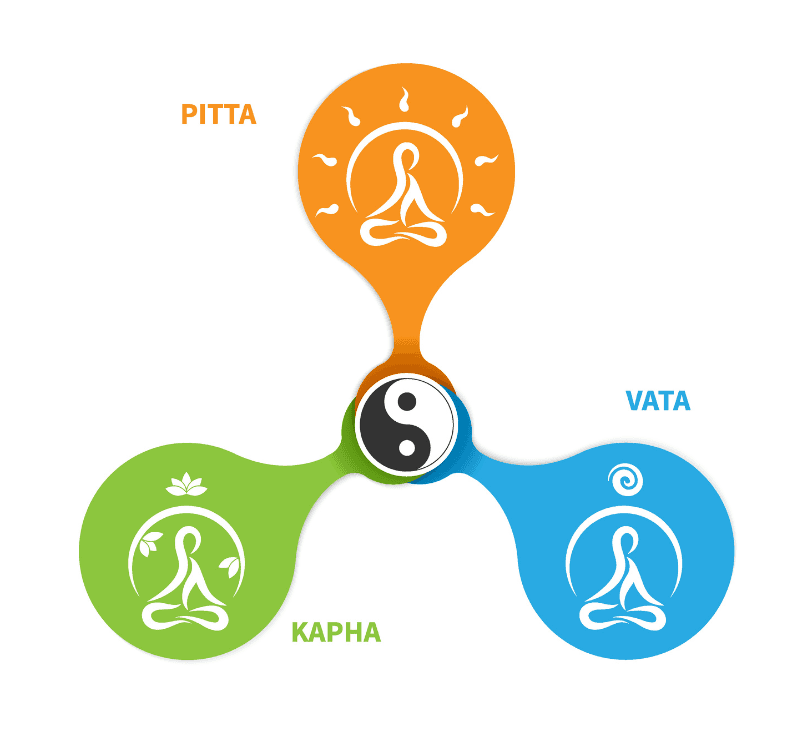
One of the differentiating factors of Ayurveda is its personalized approach to healthcare. Instead of adopting a one-size-fits-all approach, Ayurveda realizes that each individual is unique, with their own distinct life situations. Through the analysis of an individual's dosha balance, and lifestyle, Ayurvedic practitioners prescribe tailored solutions and lifestyle recommendations aimed at restoring balance and overall health.
So, who is the creator or what is the origin of Ayurveda?
Lord Brahma according to Hindu mythology is the creator of this world, is said to have conceived Ayurveda in his consciousness, and passed it to his disciple Daksha Prajapati, who emerged from Lord Brahma's thumb, and was among the first celestial figures who was assigned the task of maintaining the universe. However, there is a debate about it. Some people believe Charak, who is known as the father of Ayurvedic medicine, is the creator of Ayurvedic science, while some believe it to be Dhanvantari.
Are there any references to it in any old textbooks?
In both, the Charaka Samhita and the Sushruta Samhita, there is no specific reference to a single person who is credited with the origin of Ayurveda. Instead, they focus on principles, theories, practices, and treatments related to Ayurveda without associating its creation with any particular person.
The Charaka Samhita, attributed to the sage Charaka, primarily deals with internal medicine and is one of the foundational texts of Ayurveda. Similarly, the Sushruta Samhita, attributed to the sage Sushruta, focuses on surgery and is another crucial text in the Ayurvedic tradition.
While Charaka and Sushruta are revered figures in the Ayurvedic tradition and their names are associated with these texts, Ayurveda as a system of medicine is believed to have evolved over a long period of time through the contributions of many ancient sages, physicians, and scholars. Therefore, it's more accurate to view Ayurveda as a collective body of knowledge rather than the creation of any single individual.
What does the word AYURVEDA stand for?
Ayushah vedah ayurvedah
Ayu - means lifespan
Veda - means knowledge
Therefore, ayurveda is knowledge of lifespan or science of life.
Ayurveda is the science that not only treats the disease but also teaches us the way of living, helps us to have a better understanding of the quality and quantity of life, and obtain disease-free long life.
The main motto of Ayurveda science written in our Samhitas is - To protect the health and life of healthy beings and treat the ailments of the people suffering.
Ayurvedic approach towards the treatment of a disease is not only to minimise symptoms but to treat the root cause of those symptoms. This approach originates from Ayurveda's understanding of health, which acknowledges that symptoms are often because of deeper imbalances within the body, mind, or spirit.
Why is ayurveda considered above any other science ?
Ayurveda teaches us the way to life .
If practised in a proper way, it is free of side effects .
It is a natural way to-
●Healing
●Improve our complexion
●Have a better body constitution
●Reduce side effects
It is a comprehensive and spiritual way to live life which helps us attain mental peace and stability.
Conclusion
Ayurveda stands as an age-old approach to complete well-being and health. Originating from the rich early Indian civilization, Ayurveda offers a deep understanding of the cooperation between mind, body, and soul.